
Music Moments

A Brief History of Vinyl Records

Vinyl records brought music listening to living rooms in a revolutionary way. The mass market availability and multi-track format, coupled with the evolution of home audio equipment allowed music listening to become even more individual and personal.
Joan Jett Bad Reputation album cover

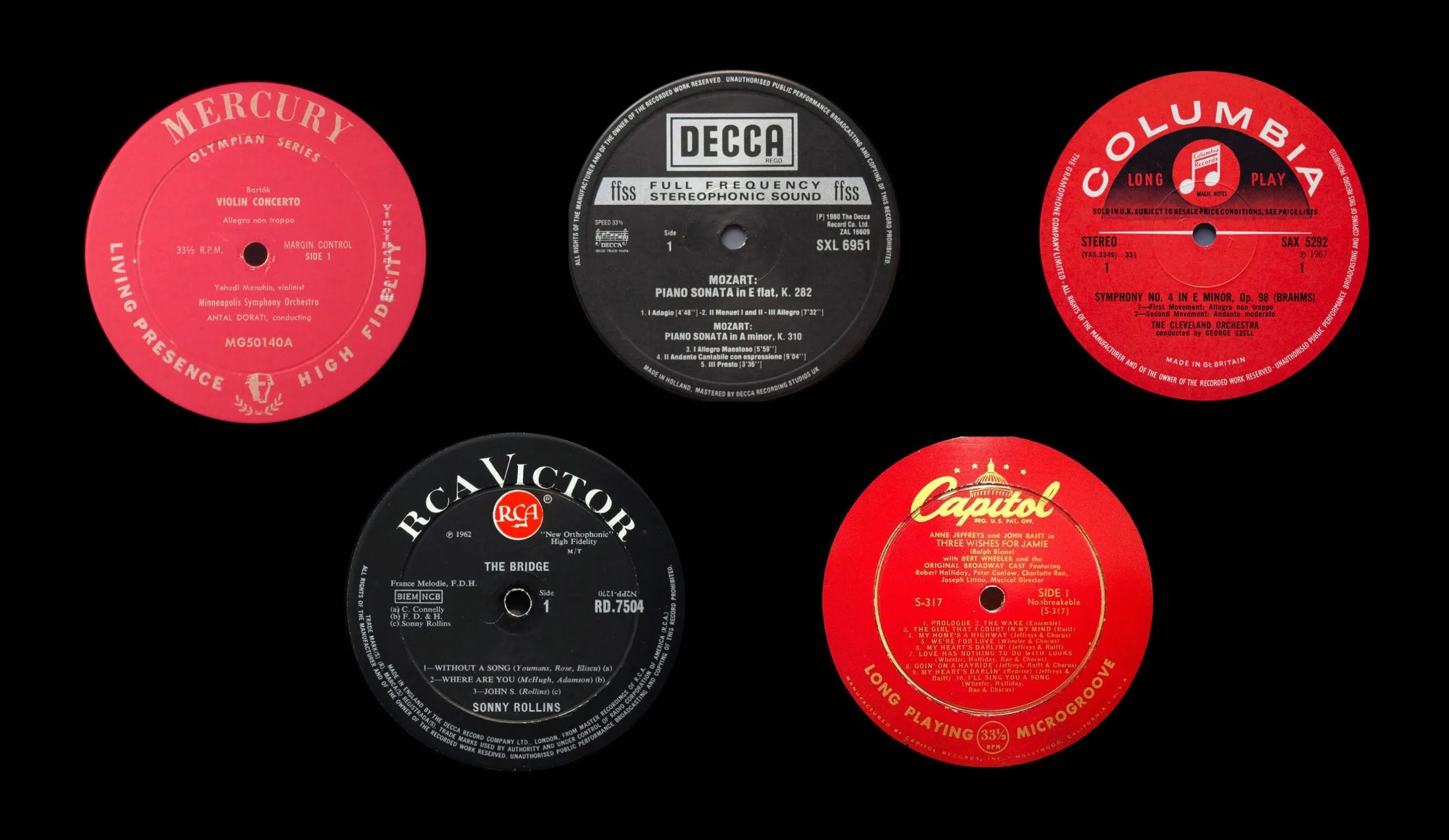
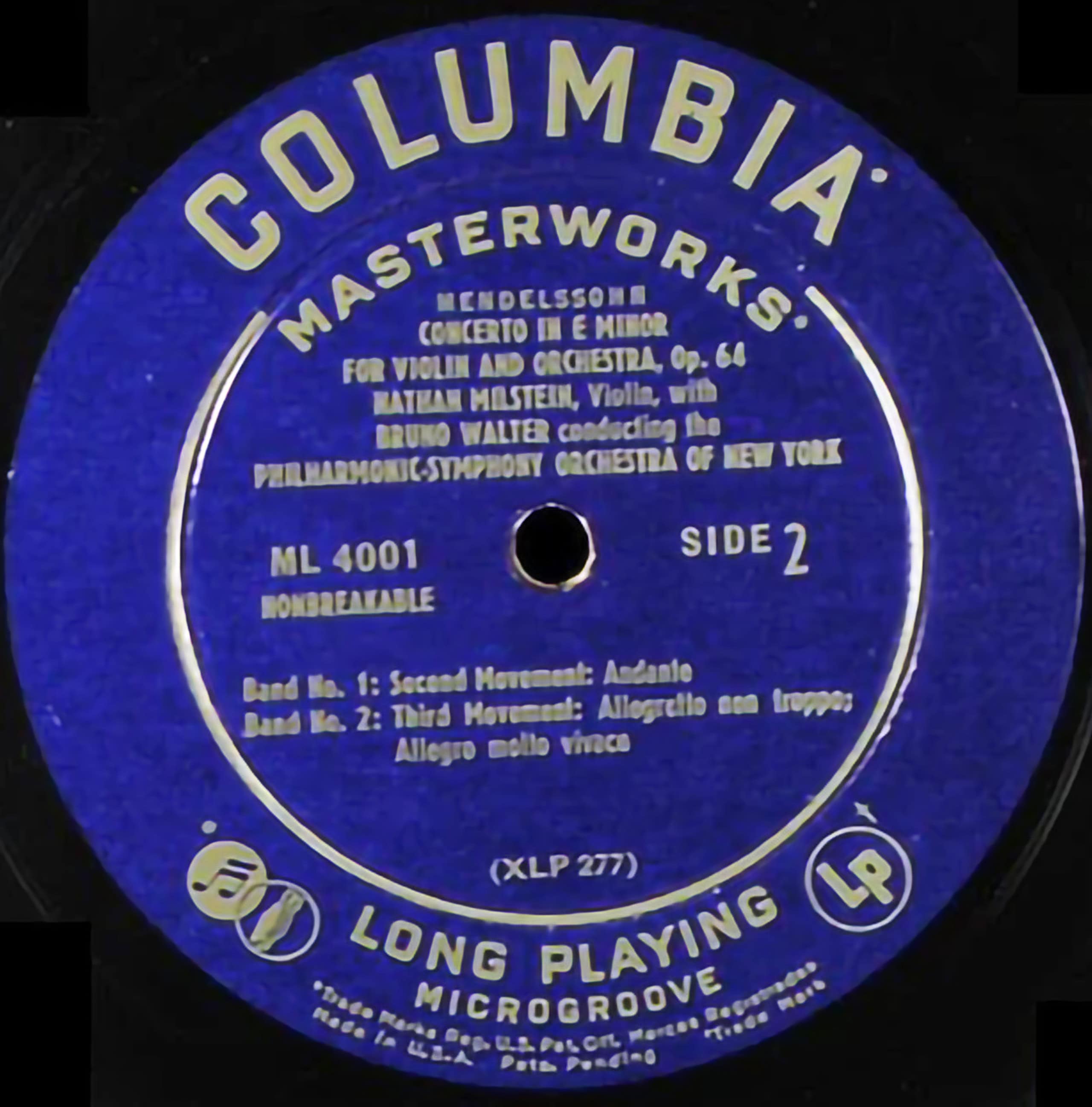
The first flat disc acoustic recording was developed by Emile Berliner in 1901 on a 10-inch, shellac record that spun at 78 revolutions per minute. By 1910 this was the standard and it remained the go-to for nearly 50 years. Although a great fit for recording, shellac is easily breakable and at 78rpm, these records could barely fit a three-minute song on each side. With the introduction of vinyl (plastic) in the early 1940s, and the evolution of electric recording, Columbia Records (the first actual record label as they are known today) was able to produce the very first 12-inch, 33 ⅓ rpm vinyl “LP” (long play) record in 1948. These new records could hold multiple songs – 20 minutes each side – and became the favored format, leaving 78s behind. Jukeboxes and radio stations at the time still preferred the one-song format, so a new option emerged with the 7-inch 45rpm, produced by RCA Victrola in 1949. The vinyl format reigned supreme for decades, hitting 341.3 million annual sales in 1978, according to Recording Industry Association of America (RIAA) data.

  • The crackle of vinyl has the power to elevate even the simplest of moments—morning coffee, a slow evening by the fire, or the gentle rhythm of snowfall outside your window. With this in mind, we’ve handpicked a collection of albums designed to complement the season, each offering a distinct kind of coziness when played through a Wrensilva.

  • Miles Davis – In a Silent Way (1969)

    Envelops listeners in a warm, hypnotic blend of ambient jazz fusion.

  • FKJ - Just Piano (2021)

    A minimalist masterpiece of gentle, improvised piano compositions that flows calmly. Ideal backdrop for slow evenings spent curled up indoors.

  • Junip - Fields (2010)

    Earthy folk melodies with dreamy, synth-infused textures, carried by José González's serene vocals.

  • Arthur Verocai – Arthur Verocai (1972)

    Lazy morning jazz out of Brazil. A legendary album that deeply influenced hip-hop sampling.

  • Bon Iver – Bon Iver (2011)

    A sonic tapestry, layered with intricate harmonies and lush instrumentation, that is both intimate and expansive, evoking a sense of longing and nostalgia.

  • Weyes Blood - And In The Darkness, Hearts Aglow (2022)

    Creates an atmosphere of wonder with its blended genres and soothing vocals.

  • Each of these selections was chosen for its ability to transport, soothe, and enrich your winter rituals. Sit back, relax, and enjoy the luxury of slowing down.

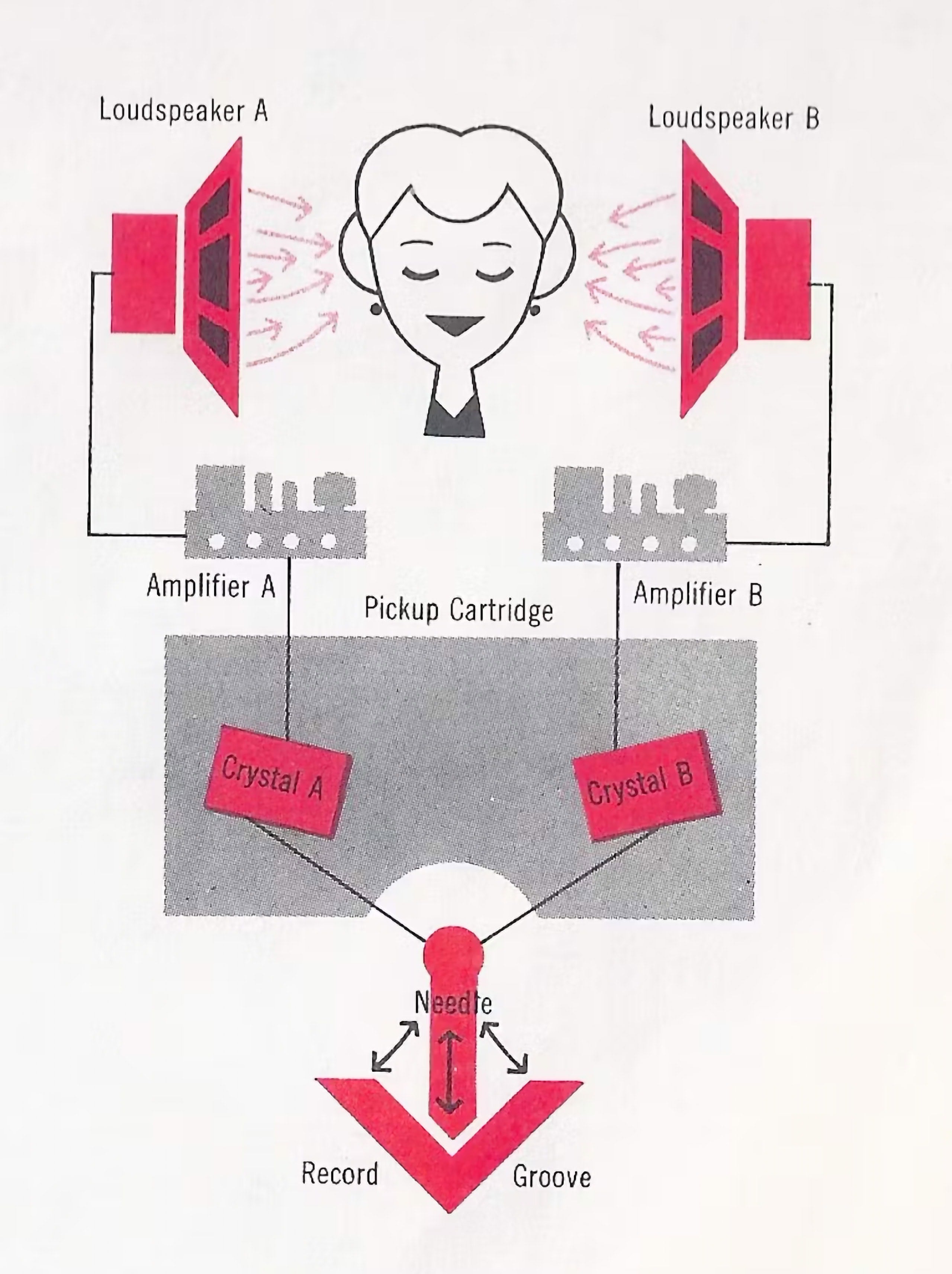
A graphic detail, from an RCA inner sleeve, shows listeners how new stereo technology operates. From the collection of Janet Borgerson and Jonathan Schroeder.

In the evolution of vinyl records, the first LPs were recorded in mono, with all instruments and vocals mixed through one channel. Mono recorded music played on a record player was delivered through one speaker. For British engineerAlan Dower Blumlein, this was an unsatisfactory listening experience. He developed two-channel, stereo sound in the early 1930s. This new hi-fidelity recording method delivered a playback that more closely resembled a live listening experience. Although stereo recording was possible in 1933, it wasn’t until 1958 that stereo sound recordings were widely available. By then, record player manufacturers had caught up with the new technology to offer upgraded stereo equipment, and with that came the need to educate the public on the superior stereo listening experience.

Once again, there was another format lurking in the wings. The internet was rapidly innovating from dial-up modem, to high-speed broadband, which opened a whole can of file-sharing worms that turned the music business upside down… but ultimately gave the public what they wanted: immediate access to music at the click of a button or keyboard. By 2008 streaming music was gaining steam, but something very interesting was also happening. Vinyl started making a comeback. Fast forward to present day, and you can enjoy music on just about any format you like. They all serve a useful purpose, depending on what you’re in the mood for: the nostalgia of a cassette tape, the ease of a CD, the immediacy of streaming, the collectability and rich sound of vinyl. Wrensilva celebrates both digital and analog recording. Consoles that switch easily between vinyl and streaming allow you to enjoy music seamlessly, in every room