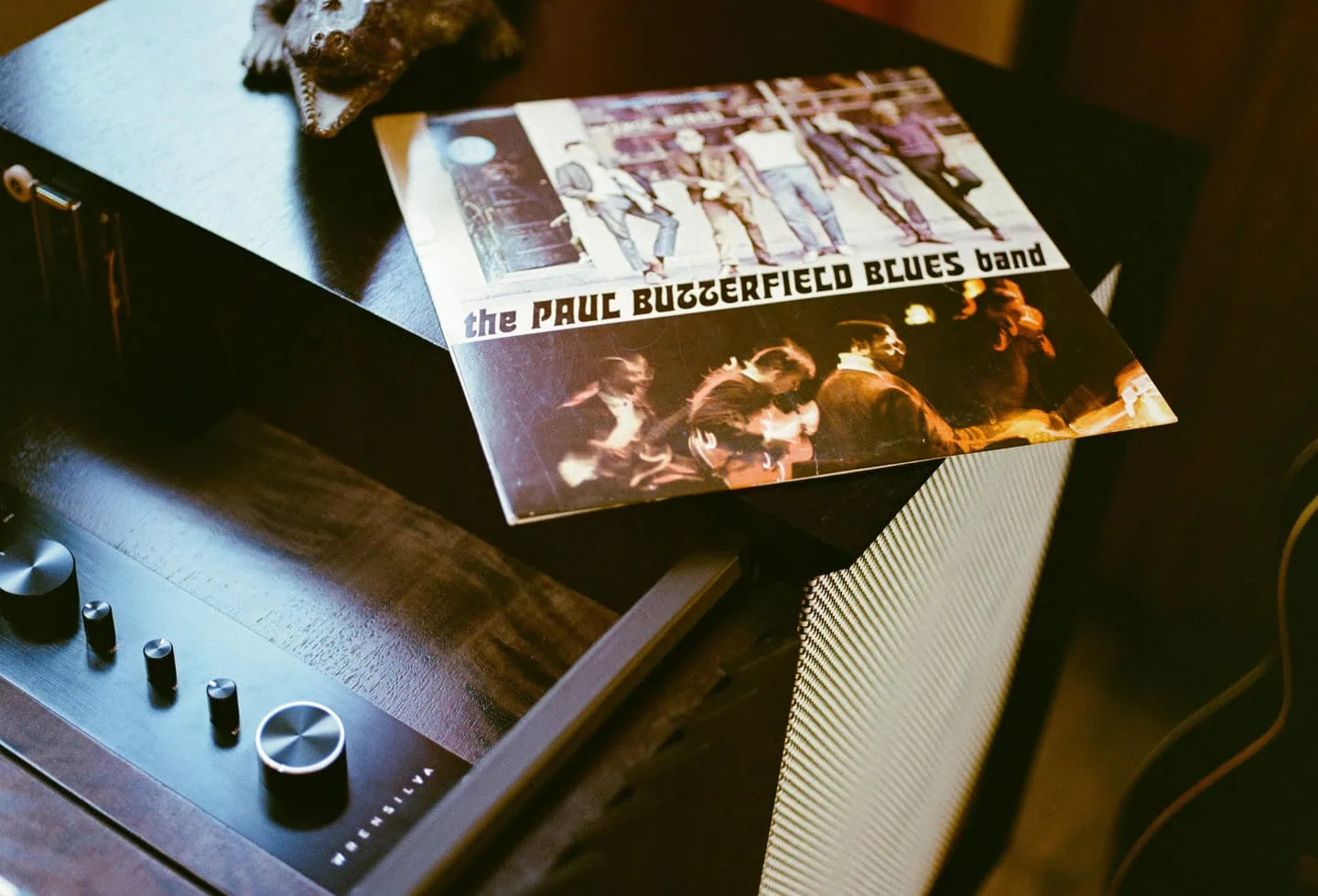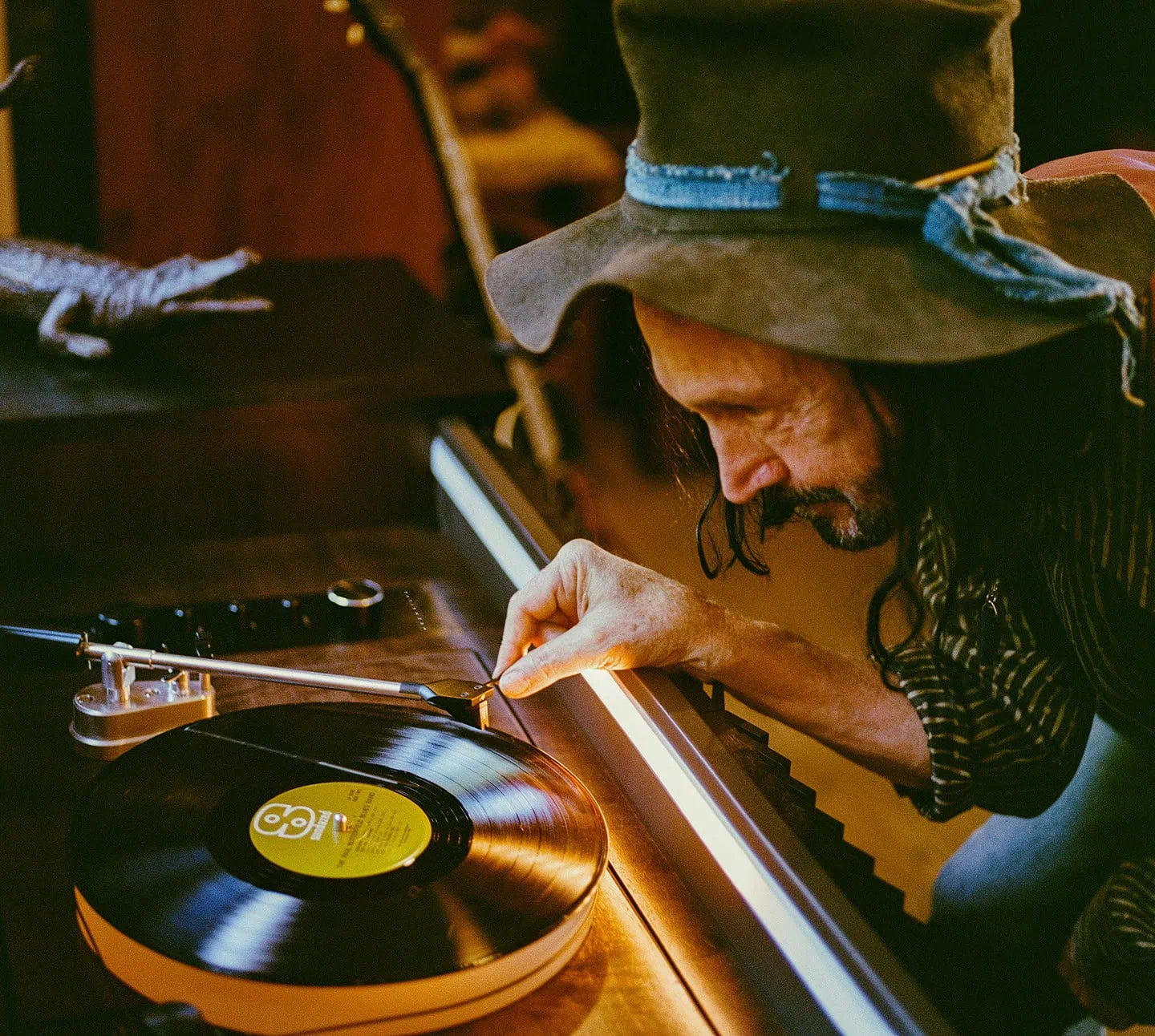

Mike Campbell was a teenager in Jacksonville, Florida when he first heard the album by the Paul Butterfield Blues Band, a six-piece out of Chicago putting a rock and roll spin on classic blues.
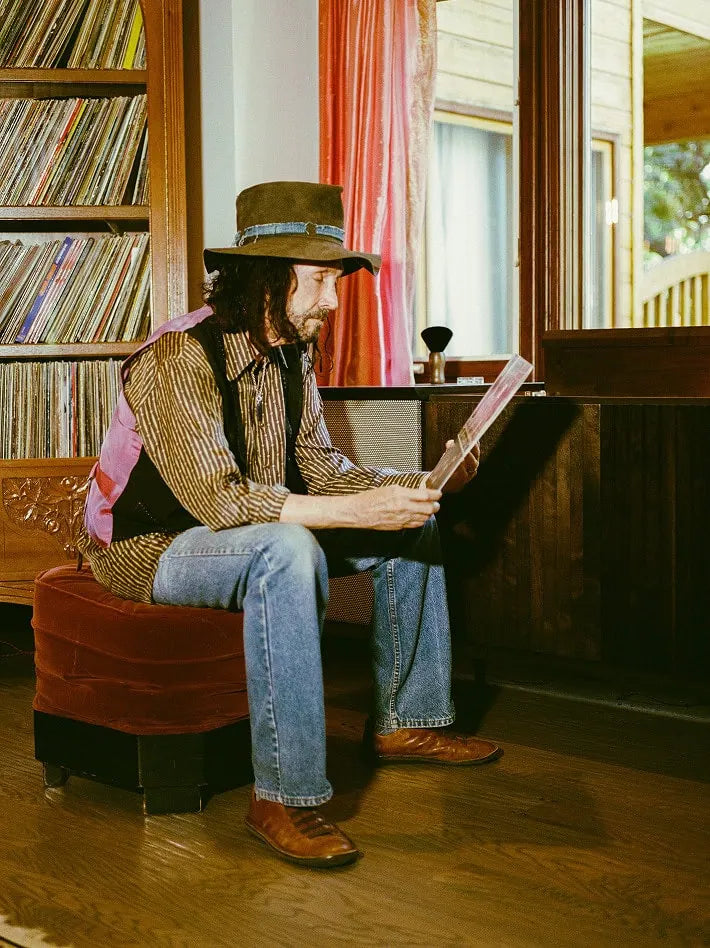
The year was 1965, or maybe ‘68; Campbell was teaching himself to play guitar by listening to records, and he had read about their first album, The Paul Butterfield Blues Band, in DownBeat magazine. He was particularly intrigued by Mike Bloomfield, who was doing things with his guitar that Campbell thought were unbelievable. “Their playing is just so brave, and there’s so much technique in it that I did not understand,” Campbell remembers, “so I would take my record and slow it down to half-speed to hear the guitar.” That’s how he learned that Bloomfield was bending strings with his finger to achieve vibrato. He began playing along with the record, over and over, mimicking Bloomfield’s technique. “I ended up screwing it up, but I think in the process, by following his muse, I was able to find my own thing.”Mike Bloomfield is considered one of the best rock guitarists of all time, and with that early ad hoc instruction, Campbell was destined to become one, too. He moved from Florida out to Los Angeles in the early ‘70s and, by 1976, found himself playing lead guitar with his friends in a burgeoning band called Tom Petty and the Heartbreakers, whose albums he also helped produce. For five decades, Campbell has helped shift the contours of what one can do with a riff and changed the landscape of American rock history, co-writing some of the most iconic songs of all time: “Refugee“, “A Woman in Love (It’s Not Me),” “You Got Lucky,” “I Don’t Wanna Fight,” and more. With his current band, Mike Campbell and the Dirty Knobs—“more of a blues-boogie band than the Heartbreakers”—he takes a free-wheeling, 12-bar groove approach to his own songwriting muse. Their 2024 record, Vagabonds, Virgins, & Misfits, further showcases his ability to write an exquisitely salt-of-the-earth rock number.